🏈Fat Crab Season takes over the Feasts this Fall ~ Watch out for Some Monsters!
Posted 10/05/2025




Blue Crabs, an Appetite for Destruction!
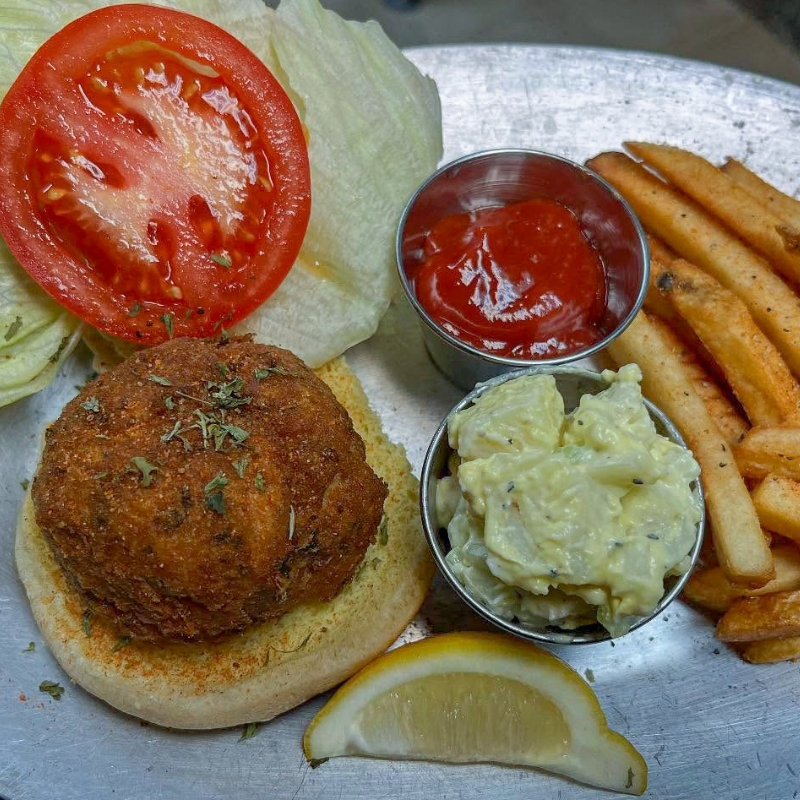
Known for their rambunctious, wily behavior, blue crabs still get the distinction, “Beautiful Savory Swimmer.” The males’ blue and females’ red colored claws make for quite a display as they swim agilely through the waterways with their 8 legs and 2 paddle “flippers.” Their importance in the seafood deli case outmaneuvers their prowess in the water, however. Jumbo, lump and claw meat for recipes from crab egg benedict to crispy crab cakes move this delicacy to the forefront of any menu. Their appetite for clams, oysters, mussels, small fish, worms, aquatic plants, and floating nutrients transforms their meat into a taste of choice.

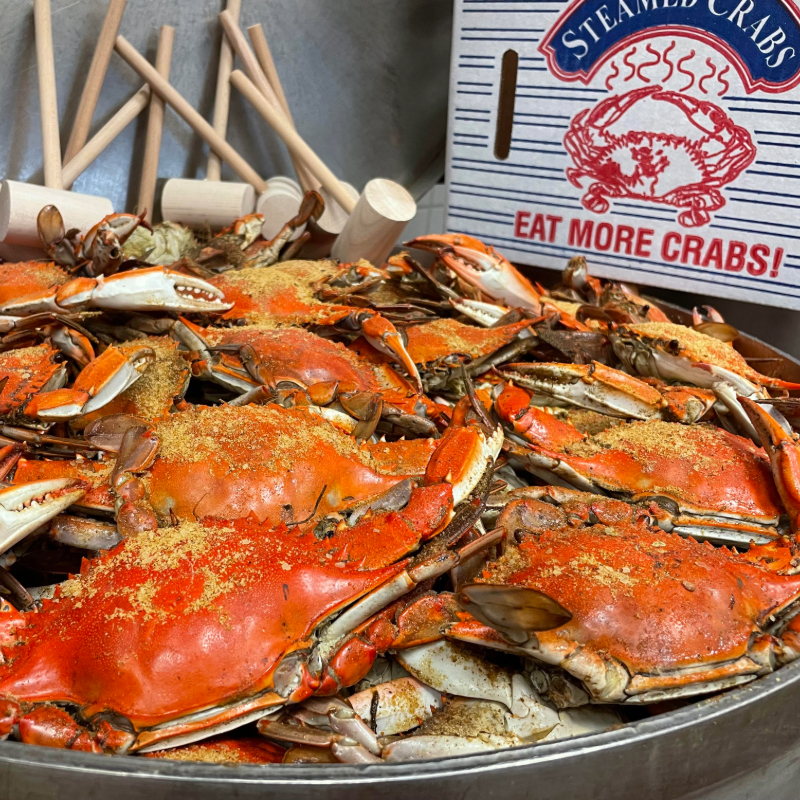
Resourceful and focused on survival, their mere presence in the Chesapeake Bay forecasts their eventual end: a festive crab feast with swinging mallets! With all their popularity, they surely know how to get around. With man’s help, they now populate areas of the Mediterranean, Black and North Seas. From Nova Scotia to Argentina and into the Gulf of Mexico, they search for nourishment and multiply quickly. Within these waters, the male crabs or “jimmies” search out fresher water for more nourishment and less competition, while females or “sooks” swim out toward the ocean for saltier water, better for spawning eggs. Incredibly, scientists tagged female crabs and charted some swimming upwards of 150 miles for more salinity waterways.

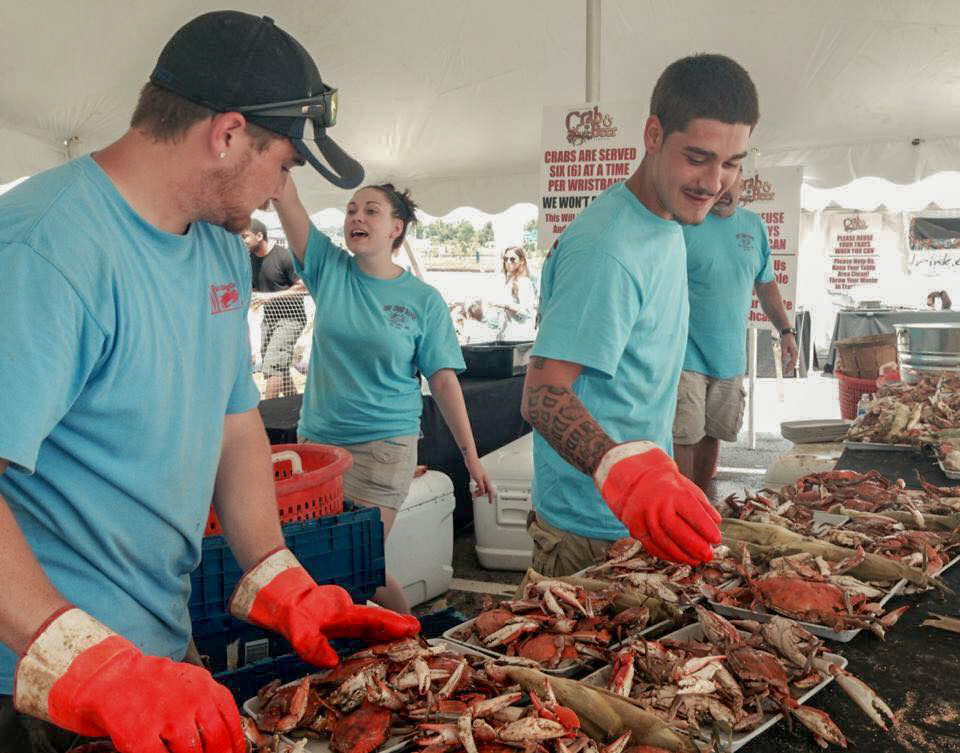
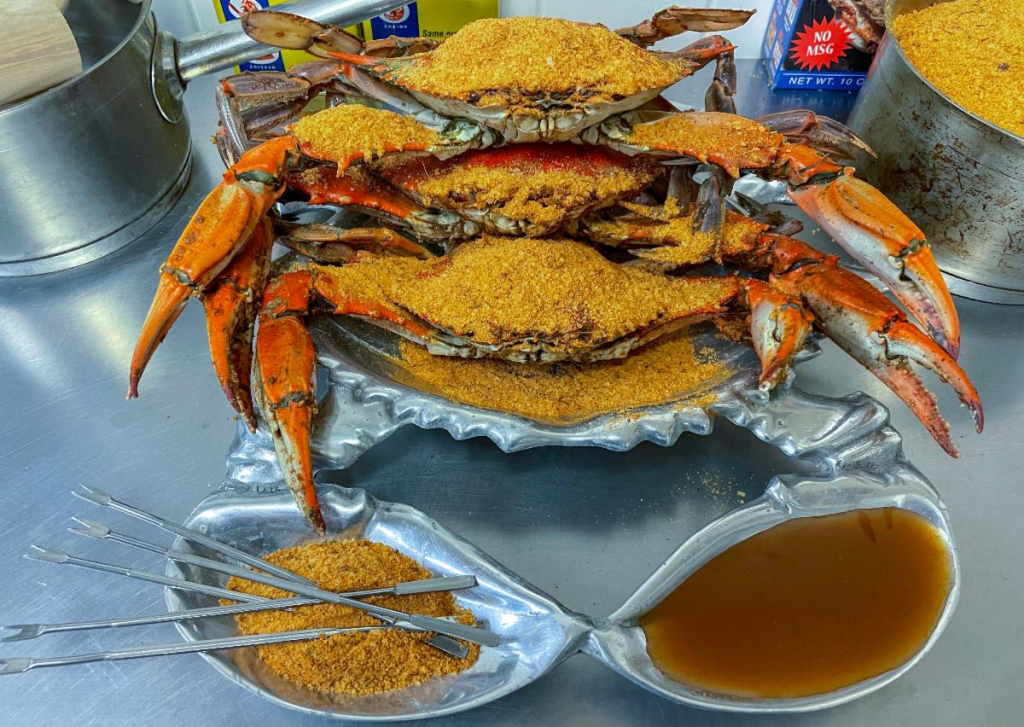
The sexes do cojoin in similar habitats of seagrass, oyster reefs, and marsh fringes to hide from predators and to give a hiding place for the young to grow into mature crabs. In fact, they resemble a “family” as the male crab cradles and holds the female crab as she sheds her last shell before reproducing the egg sac. In this vulnerable state with a soft shell, the male protects her from predators as she grows her hard shell back and prepares for her swim to saltier waters. All this appetite of the blue crab for survival only increases man’s crab pots and charting of these blue crab movements. The final destination, not the mouth of the bay, nor the tributaries of Severn River, but the wooden tables at your local crab spot. Carefully destruct the blue crabs armored shells and get to their salty-sweet meat!
(March 17, 2026, by Crab House)

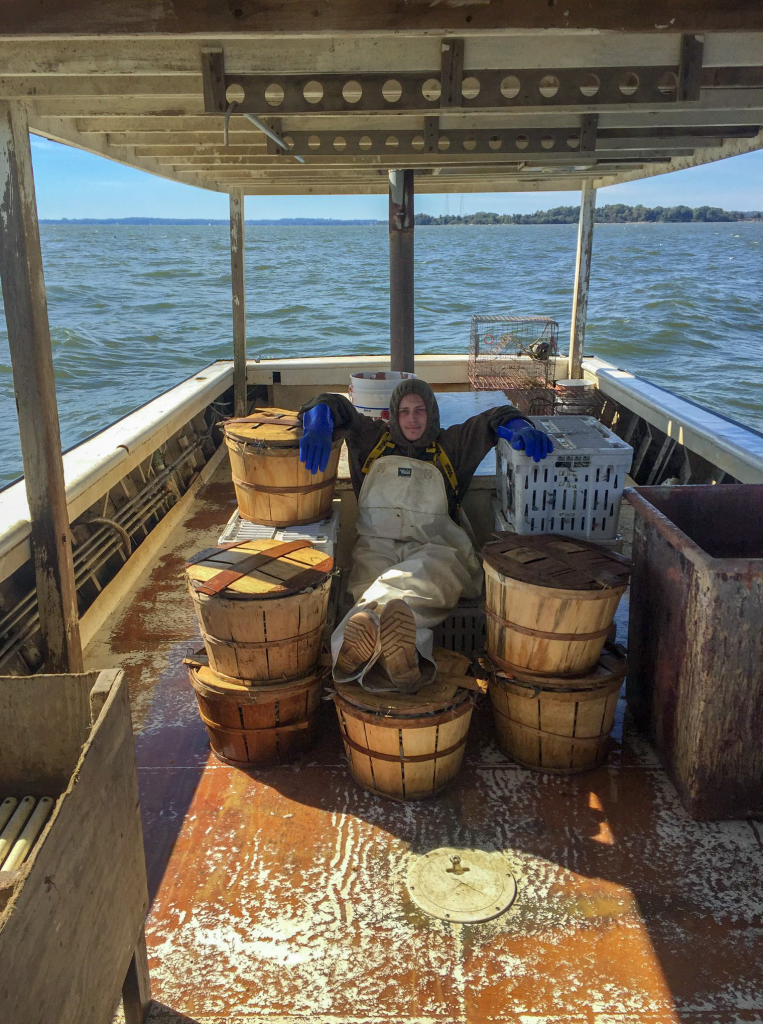
During the winter months, diehard American Crabbers motor their Smith Island Crab Scrapes down into Southern Gulf Waters. These vessels with their low freeboard and low beams make it easier to haul heavy pots out of the water. Their low profile impresses the onlooker as it glides through shallow lagoons. For the crab devouring enthusiast, this migration is essential to keep the blue crab feasts continuing throughout the winter months. Once the water temperatures hit 48°F, the blue crab searches for a muddy bay bottom floor to back into for a winter nap. Hibernation occurs in the northeast, but in the Gulf of America, the “beautiful swimmer that is savory” continues to forage for tasty snails, insects, oysters, small fish, etc. This eye on the thermometer even holds true when shipping those crabs up north. If the reefer reaches temperatures of either 40°F and 41°F, these conditions will become fatal and destroy any blue crab harvest. Conversely, temperatures over 88°F will cause overactive and then dying crabs from exhaustion. So, when managing blue crabs, keep them comfortable!
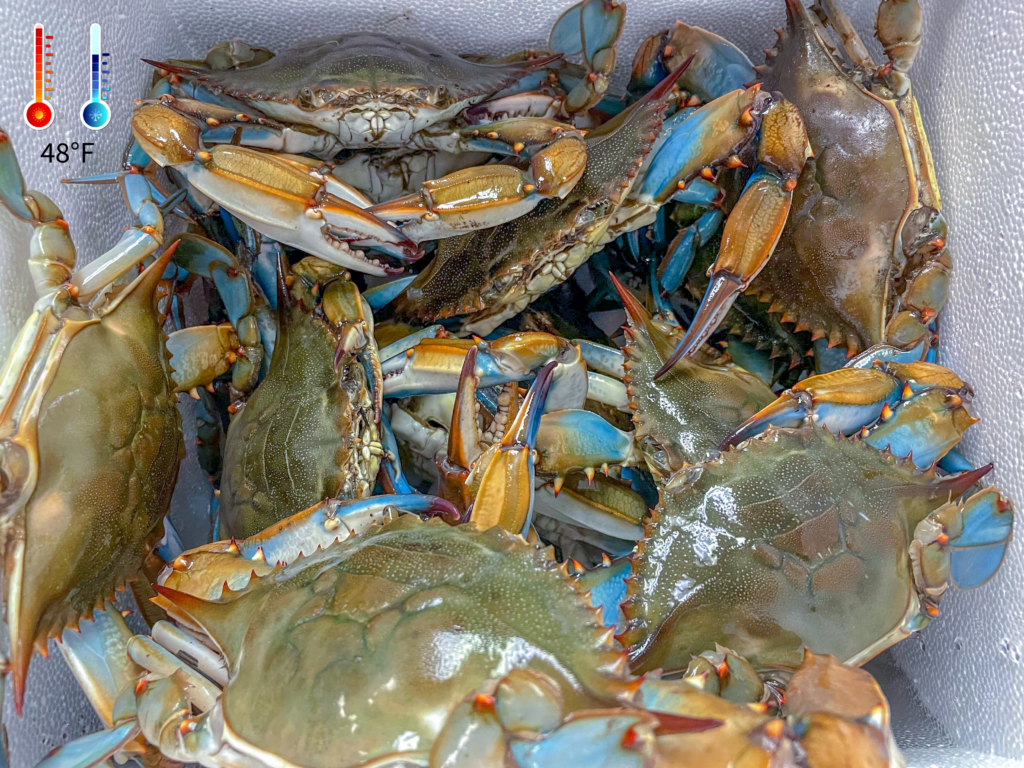
Breathing freely is a perfect start in keeping the blue crab unstressed. When transporting the crabs, make sure they have air to breathe. Avoid sealing their shipping container with a plastic liner. Leave holes in the lid of a water-resistant box. If using gel packs to keep the temperatures in the 50°F range, be sure to place wet newspaper, burlap, or towels to keep them moist. Refrigerant material will only cause the crab to suffocate and perish. Since a transit of no more than 30 hours is key, make sure they have an adequate air supply for the trip.
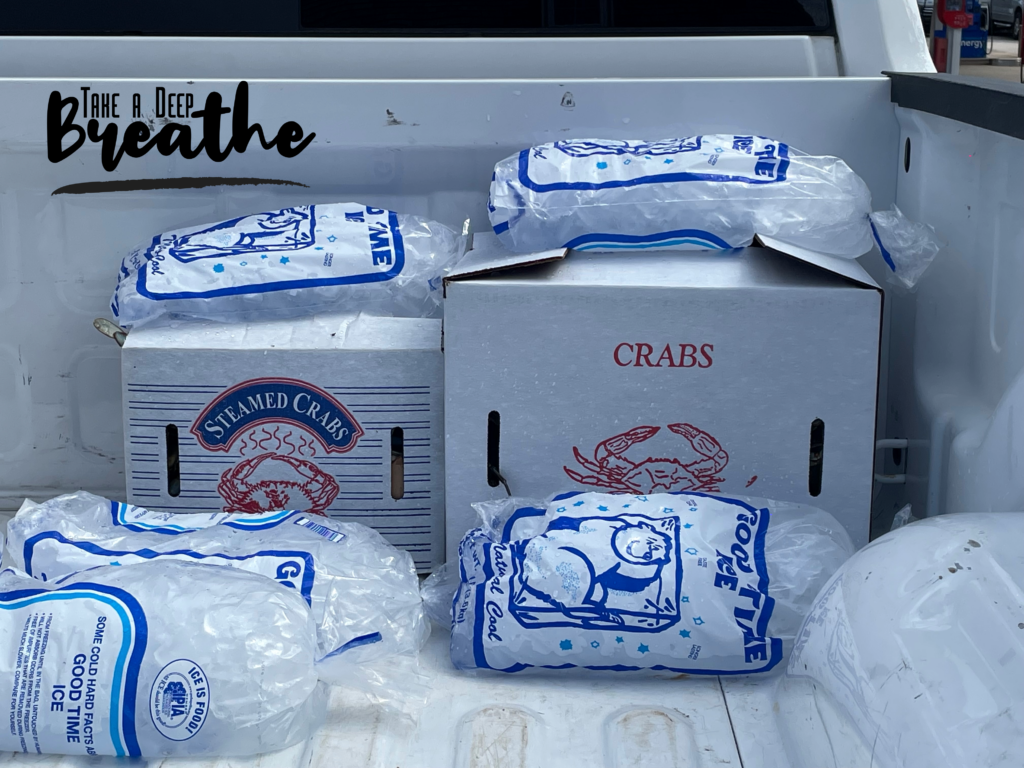
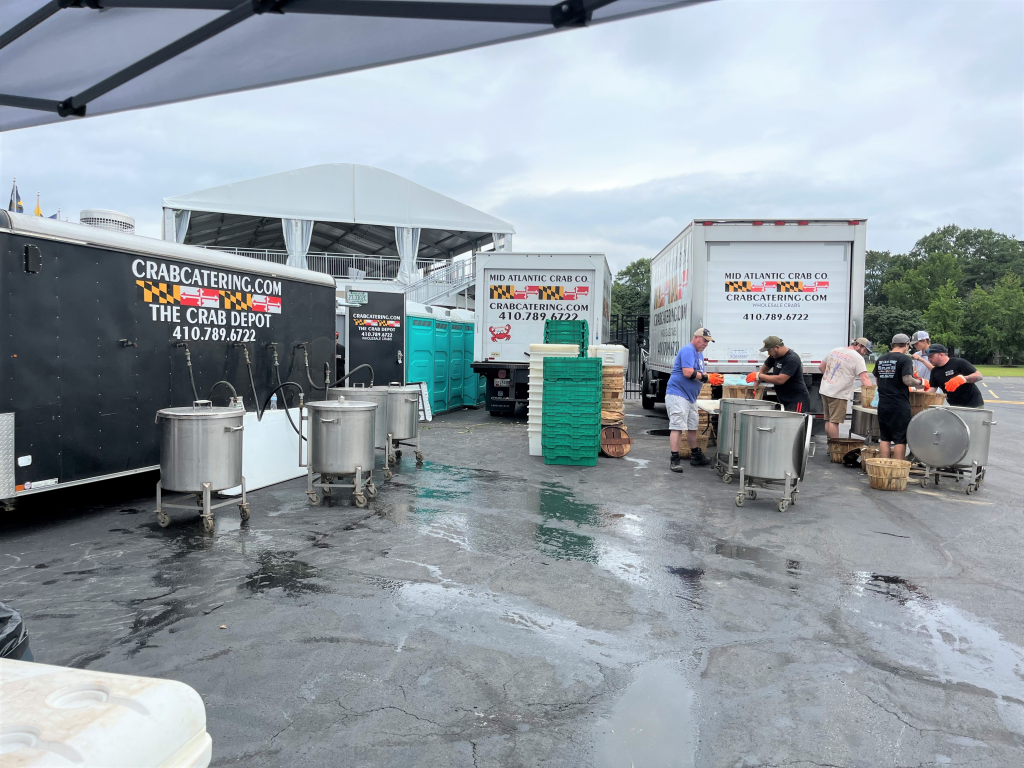
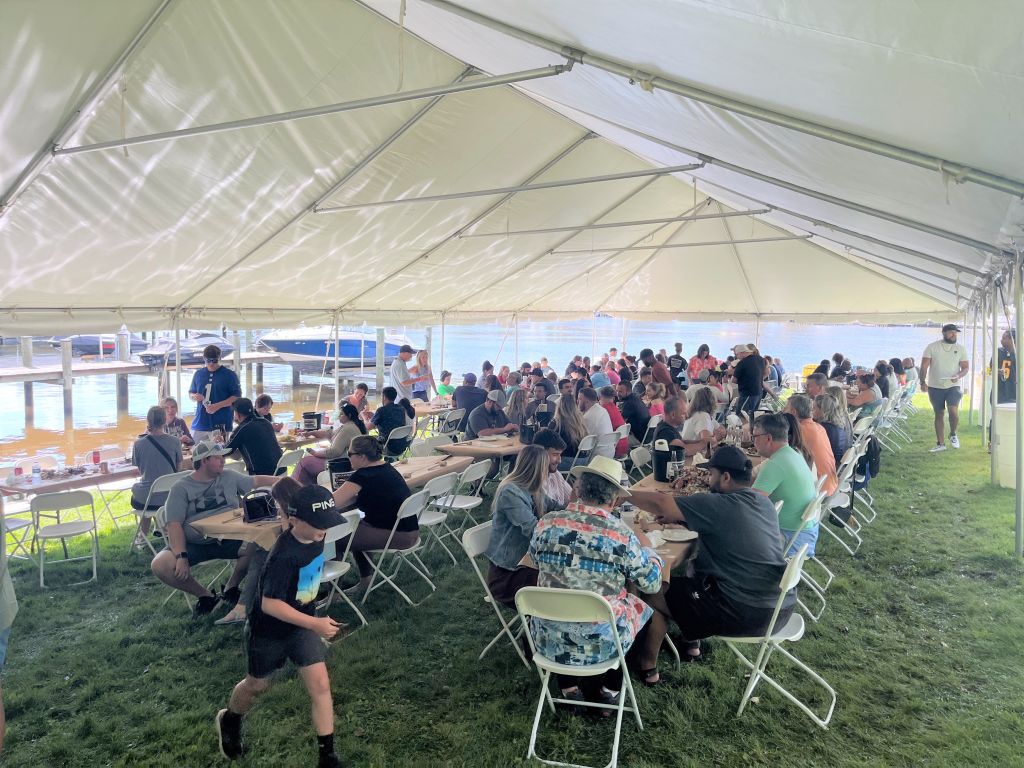
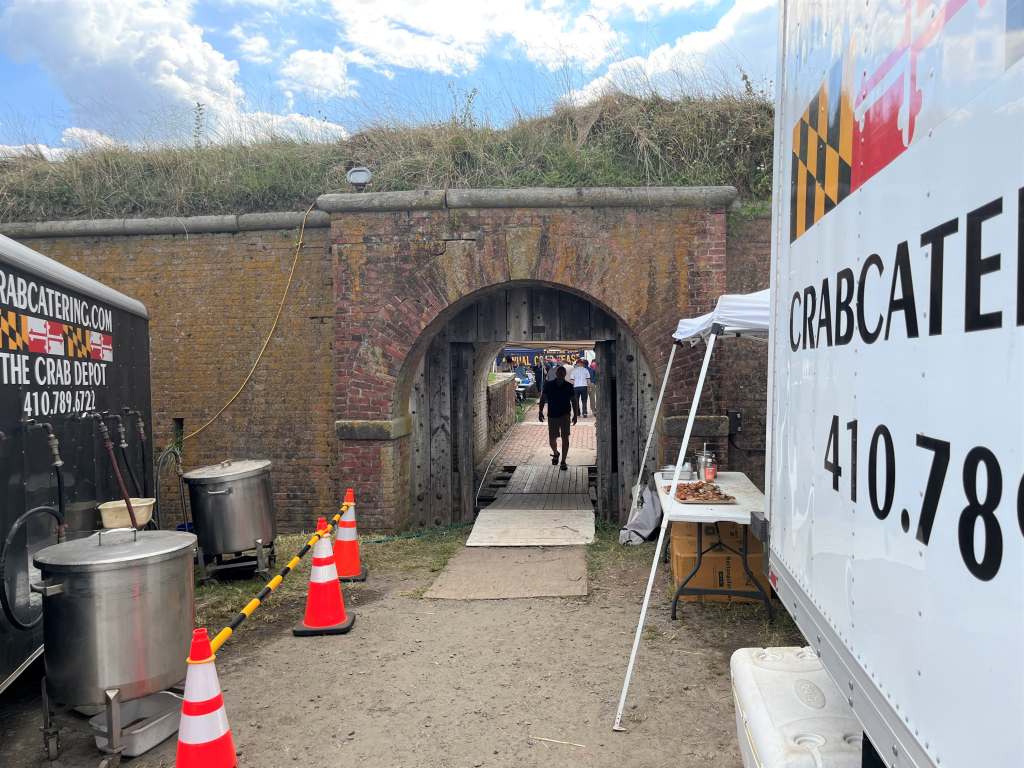
Crabcatering.com receives its crabs from Crab Depot and operates as a Mid Atlantic powerhouse in delivering freshly caught blue crabs to your holiday feast. Even though the calendar has turned to colder months when the blue crab finds hibernation choices, “Maryland Style” Crab Feasts keep popping up all winter long. Typically, the male burrows into the depths of the Chesapeake Bay, while females swim out to the continental shelf out in the Atlantic. Crab Depot takes the catch to the Gulf of America and uses the utmost care to keep them alive with the trip up to the north. What does this mean? Yes, a winter crab feast is in order. Go ahead and fill out your crab inquiry form and let us know about a Super Bowl Feast or even a Winter Fundraiser. Keep those mallets swinging and Happy Crabby Winter!
Posted 10/05/2025
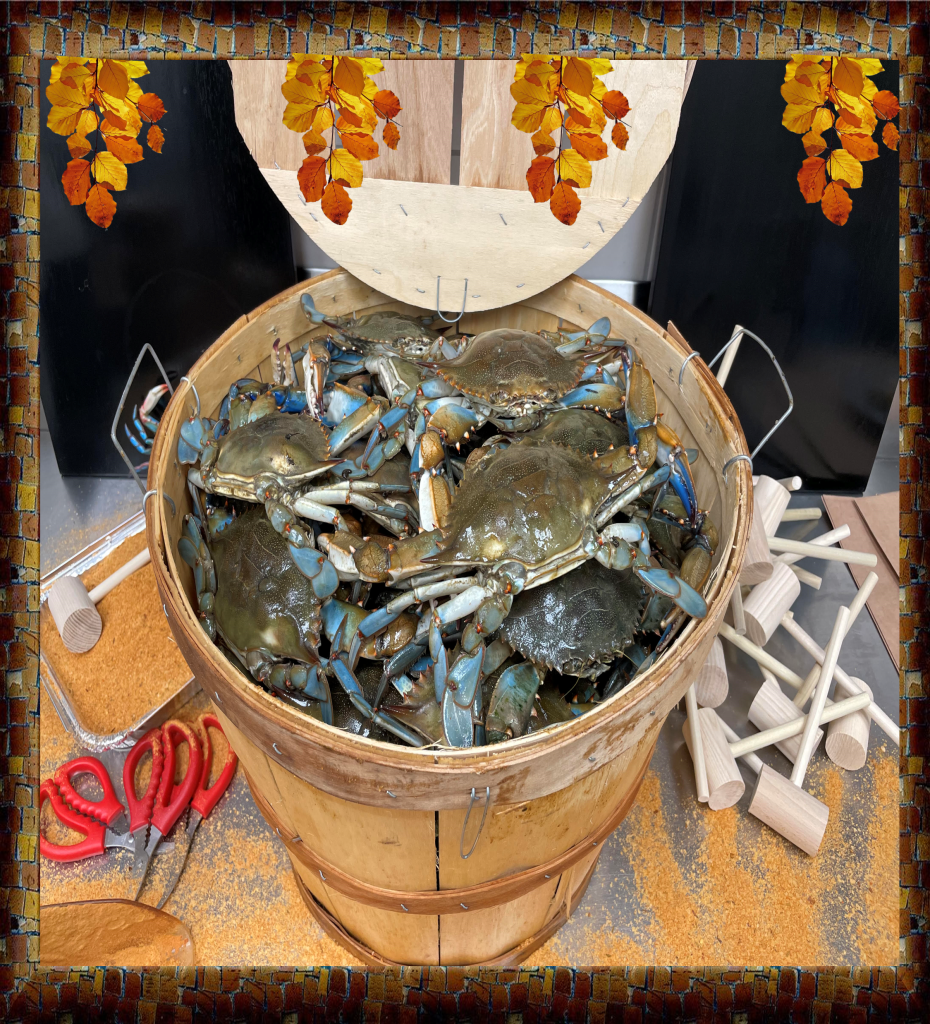
In the late 1800’s Chesapeake Bay crabbers began calling male, larger crabs “Jimmies”, and females, “Sooks”. The reasoning the sun-burned crew called the blue-tipped crab “Jimmy” may stem from a desire to find personality in the catch as the days stretched into full noontime sunshine. “Jimmy”, a popular name in the 1800’s makes sense, but what about “Sook”? Korean in origin, “Sook” means purity. Do you think these early crabbers gave feminine attributes to the female crab? The male crab does indeed protect the female sook when she’s molting, holding her, protecting her from the ravenous “Beautiful Swimmers that are Savory,” a well-known title for the blue crab.
It seems the relationship with the blue crab extended to other aspects of its maturity. Young female crabs with “red nail polish” wore the name “Sally”. A Jimmy and Sook mating were aptly called “Doublers”. Crabs that were losing their armored shell, ready to grow a new one were declared “Peelers”. Even the pregnant Sooks with a spongy egg sack were referenced as “Sponge Crabs”. Crabbers consistently attempted to give human attributes to the crab, trying to understand why this crustacean was so darn mad, just snapping away!
The progression of the crab’s popularity started with the Algonquin and Iroquois Indians who used spears, woven baskets, and traps to capture these wily bay creatures. The colonials watched in amazement and applied their own know-how of handlines and proceeded to ship crabs to Europe. In fact, the Mediterranean Sea teems with blue crab cousins to the Chesapeake Bay, thanks to these zealous settlers. In the late 1800’s Benjamin Lewis of Virginia developed the crab pot which took the crab catching to an ultimate crab feast level! In fact, today in the states of Maryland, Louisiana, and Alaska, a $600 million plus industry hits the crab boat’s decks. Even though the watermen attempted to personalize the blue crab, the savory salty sweet, buttery meat won precedence. Plus, they don’t seem too friendly like that Golden Retriever!